This guide explains why the donor area may burn after a hair transplant, how long the sensation can last, which symptoms are expected, and when further evaluation becomes important.
Why Does the Donor Area Burn After a Hair Transplant?
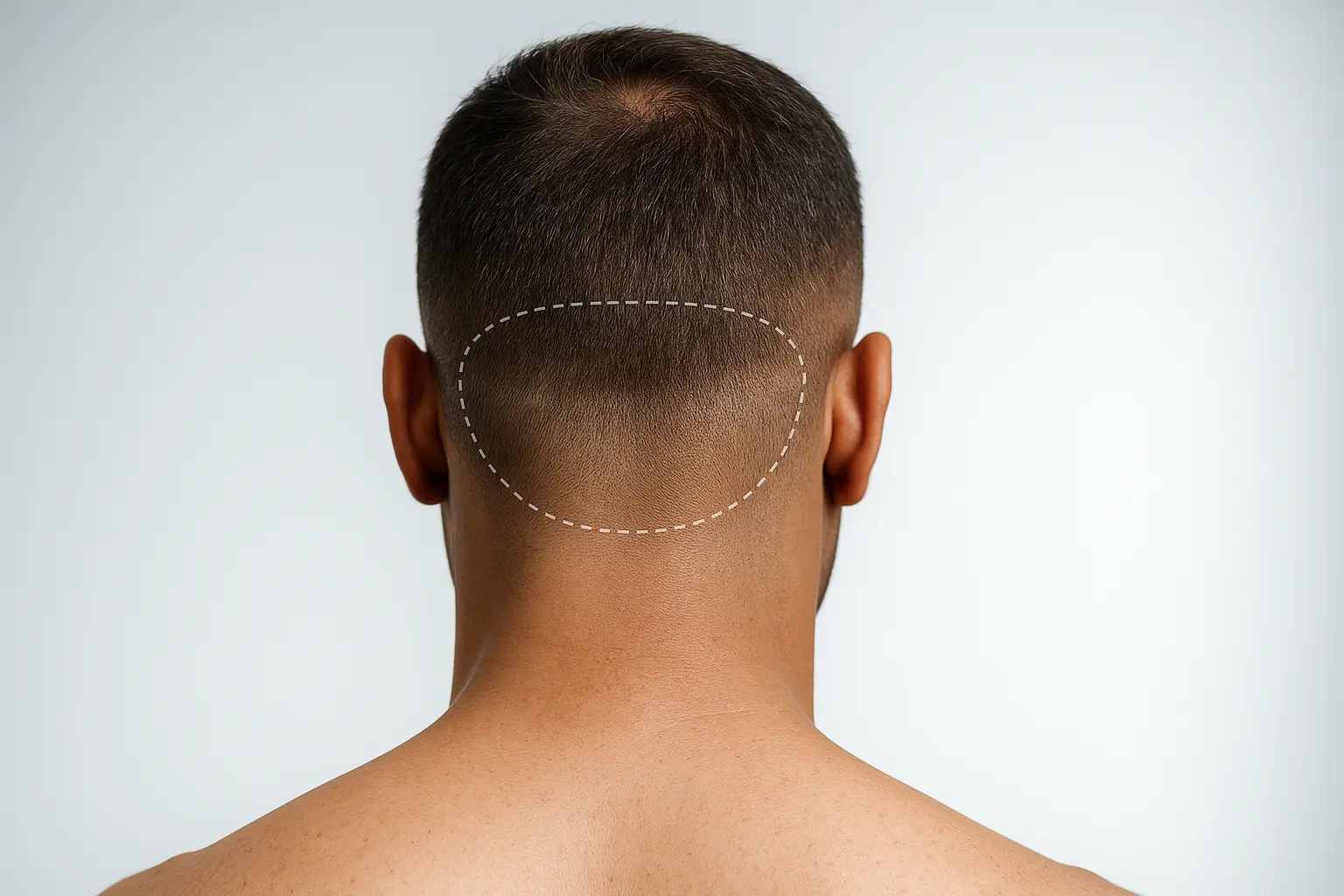
The donor area can burn after a hair transplant because thousands of small extraction sites irritate the skin, superficial nerves, and surrounding tissue during healing. This sensation commonly reflects temporary inflammation rather than a problem with the transplanted grafts.
FUE creates numerous tiny openings across the donor zone, and these areas may feel warm, sore, tight, or mildly stinging as they begin to close. Local nerve endings can also become temporarily irritated.
The burning usually becomes milder as swelling decreases and the skin barrier repairs itself. Increasing pain, spreading redness, discharge, or fever suggests a different process and needs attention.
Is Donor Area Burning Normal After Hair Transplant?
Mild donor area burning is usually a normal part of early hair transplant recovery, especially during the first several days after extraction. The sensation often appears together with tenderness, tightness, sensitivity, itching, or mild redness.
The donor skin has experienced repeated micro-injuries, so some inflammatory discomfort is expected while the extraction points begin healing. Patients may notice the burning more when touching the area or lying against a pillow.
Normal discomfort should gradually improve rather than become stronger every day. Burning that intensifies, becomes sharply localized, or accompanies pus, marked swelling, or spreading redness should not be treated as routine recovery.
How Long Does Donor Area Burning Last?
Donor area burning usually improves significantly within several days, although mild sensitivity, tingling, or intermittent stinging can continue for one to two weeks. Nerve-related sensations may occasionally last longer while superficial tissue continues recovering.
The first days often feel more uncomfortable because inflammation and skin sensitivity remain highest during this period. As the extraction sites close, the burning usually changes into itching or mild tenderness.
Recovery should follow a general downward trend. If the sensation remains intense beyond the early healing phase or suddenly worsens after improving, another cause such as irritation, folliculitis, or infection should be considered.
When Does Donor Area Burning Usually Start?
Donor area burning often begins within the first day after a hair transplant as local anesthesia wears off and the skin becomes more aware of extraction-related irritation. Some patients notice little discomfort immediately after surgery because numbness temporarily masks the sensation.
As sensation returns, warmth, tenderness, stinging, or a sunburn-like feeling can become more noticeable. This usually peaks during the early recovery period rather than many days later.
Burning that first appears after several symptom-free days deserves closer attention, especially when accompanied by new redness, swelling, discharge, or increasing tenderness. Timing can therefore provide useful clues about the underlying cause.
Why Does the Donor Area Feel More Sensitive at Night?
The donor area can feel more sensitive at night because pressure from the pillow, reduced distractions, dryness, and returning nerve sensation make discomfort easier to notice. Lying on the back of the scalp can also increase awareness of tenderness around extraction points.
During the day, movement and visual distractions may reduce how strongly the brain registers mild discomfort. At night, even moderate burning can feel more prominent.
A clean, smooth pillow surface and avoiding unnecessary rubbing can reduce irritation. The head should rest comfortably without placing excessive friction directly over a sensitive donor area during the earliest healing period.
Can FUE Cause a Burning Sensation in the Donor Area?
FUE can cause temporary burning in the donor area because the technique removes individual follicular units through many small circular extraction sites. Each opening creates a controlled skin injury that must close and recover.
The cumulative effect of hundreds or thousands of extraction points can make the donor area feel similar to irritated or mildly sunburned skin. Tenderness may become stronger if the area dries excessively or experiences friction.
This discomfort usually decreases as the surface heals. Persistent severe burning should not automatically be blamed on FUE itself, particularly when new swelling, discharge, or worsening redness develops.
Can DHI Cause Donor Area Burning?
DHI can still cause donor area burning because the donor follicles are generally extracted individually before implantation, creating the same type of small extraction wounds seen with FUE. DHI mainly describes the implantation approach rather than eliminating donor harvesting.
The burning therefore comes from the donor extraction process, not from the implanter pen used in the recipient area. Small openings can produce tenderness, stinging, and temporary nerve sensitivity during recovery.
The expected healing pattern remains similar to other individual follicular extraction procedures. Burning should gradually decline as the donor skin closes and inflammation settles.
Does Nerve Healing Cause Burning After Hair Transplant?
Nerve healing can contribute to donor area burning because small superficial nerve endings may become irritated or temporarily disrupted during follicular extraction. As these nerves recover, patients can experience burning, tingling, pins-and-needles sensations, or unusual sensitivity.
These symptoms do not necessarily mean permanent nerve damage. Superficial sensory nerves often recover gradually as surrounding tissue heals.
The sensation may fluctuate instead of disappearing in a straight line, especially during the first weeks. Persistent severe neuropathic pain, increasing numbness, or symptoms that interfere substantially with daily life should receive further assessment.
Can Dryness Cause Donor Area Burning?
Dryness can make donor area burning feel stronger because healing skin becomes tight, sensitive, and more vulnerable to friction when its surface loses moisture. Crusting and repeated washing can also contribute to this dry sensation.
The donor area may feel stretched when moving the scalp, which can create mild stinging or burning even without a complication. Excessively hot water or harsh products can worsen irritation.
Postoperative products should match the aftercare instructions provided for the procedure. Applying random oils, alcohol-based products, or strongly fragranced cosmetics can irritate healing skin and may prolong discomfort.
Can Crusting Make the Donor Area Burn?
Crusting can contribute to burning because dried blood, serum, and healing material can tighten the skin around extraction points. As these crusts dry, the donor area may feel stiff, itchy, sensitive, or mildly painful.
The sensation often improves as normal washing gradually softens and removes the crusts without aggressive picking. Forceful scratching can reopen healing sites and increase irritation.
Crusting itself is common during early recovery, but thick yellow discharge, spreading redness, or increasing warmth does not represent ordinary crust formation. Those changes may point toward infection or another inflammatory problem.
Can Washing the Donor Area Cause Burning?
Washing can temporarily increase donor area burning when water pressure, temperature, or rubbing irritates recently extracted skin. Gentle cleansing usually becomes more comfortable as the extraction points begin closing.
Hot water, fingernail scratching, strong massage, or harsh shampoo can make stinging more noticeable. A mild sensation during early washing may still occur even when technique remains appropriate.
The area should be cleaned according to postoperative instructions without trying to remove every crust immediately. Gradual cleansing protects healing tissue better than aggressive washing and usually reduces discomfort as recovery progresses.
Can Sleeping Position Make Donor Area Burning Worse?
Sleeping position can make donor area burning feel worse when the donor scalp presses firmly against a pillow for several hours. Friction, heat, and localized pressure can increase tenderness even without damaging the extraction sites.
This effect becomes more noticeable during the first nights, when the skin remains inflamed and sensitive. A rough pillowcase can further increase irritation.
The goal is to keep the head comfortable and avoid unnecessary rubbing rather than maintaining one rigid position all night. Pressure-related discomfort should improve after changing position and should not progressively worsen throughout the day.
How Can Donor Area Burning Be Reduced?
Donor area burning can usually be reduced by protecting the healing skin from heat, friction, excessive dryness, and unnecessary manipulation while following the recommended washing routine.
Helpful measures include:
- Use gentle lukewarm water during washing
- Avoid scratching or picking crusts
- Keep pillowcases clean and smooth
- Avoid direct sun on the healing donor area
- Limit excessive sweating during early recovery
- Do not apply alcohol-based or fragranced products
- Follow prescribed pain relief instructions
- Protect the area from tight hats and friction
These steps reduce avoidable irritation while the extraction sites close and superficial nerves recover naturally.
Should You Apply Cream to a Burning Donor Area?
Cream should only be applied to a burning donor area when the product is specifically appropriate for postoperative scalp care. Healing skin can react poorly to heavy, fragranced, antiseptic, or alcohol-containing products.
Some postoperative moisturizers or prescribed preparations can reduce dryness and tightness, which may indirectly reduce burning. However, applying multiple products without a clear reason can trap moisture, irritate follicles, or complicate cleaning.
The donor area normally heals with relatively simple care. A product that causes stronger burning, redness, itching, or swelling after application should be stopped and the reaction evaluated.
Can Painkillers Help With Donor Area Burning?
Pain relievers can reduce donor area discomfort when the burning comes mainly from early postoperative inflammation and tissue sensitivity. They do not treat the underlying healing process but can make the first days more comfortable.
Medication choice matters because some pain relievers may affect bleeding or interact with other medicines. Patients should therefore follow the postoperative medication instructions rather than adding unfamiliar products independently.
Pain that remains severe despite appropriate pain relief deserves attention. Normal donor discomfort should gradually improve and should not require increasingly strong medication as the healing period progresses.
When Is Donor Area Burning a Warning Sign?
Donor area burning becomes more concerning when it intensifies instead of improving or appears together with signs suggesting infection, significant inflammation, or another complication. The overall pattern matters more than burning alone.
Warning features include spreading redness, increasing swelling, pus-like discharge, foul odor, fever, severe localized tenderness, or skin that becomes increasingly hot. Sudden worsening after several days of improvement also deserves attention.
A mild burning sensation without these changes usually reflects routine healing. When several warning signs appear together, the donor area should be assessed promptly rather than treated as normal postoperative sensitivity.
Can Infection Cause Donor Area Burning?
Infection can cause donor area burning, particularly when the sensation becomes progressively stronger and appears with redness, warmth, swelling, discharge, or increasing pain. Infection is less likely when burning gradually improves and the skin looks cleaner each day.
Small extraction openings can theoretically provide entry points for bacteria until the skin barrier closes. Folliculitis can also create tender bumps that feel burning or sore.
Fever, pus, rapidly expanding redness, or worsening tenderness should not be ignored. Early assessment can distinguish routine inflammation from infection and prevent unnecessary progression.
Can Donor Area Burning Last for Weeks?
Mild intermittent burning or tingling can sometimes last for several weeks because superficial nerves and deeper tissue sensitivity recover more slowly than the skin surface. The sensation should generally become less frequent and less intense over time.
Some patients describe occasional stinging, numbness, or pins-and-needles sensations after visible wounds have already healed. This pattern can reflect sensory nerve recovery rather than ongoing tissue damage.
Continuous severe burning is less typical, especially if it does not show any improvement. Persistent symptoms may require evaluation for nerve irritation, prolonged inflammation, folliculitis, or another postoperative issue.
Does Donor Area Burning Affect Hair Transplant Results?
Mild donor area burning does not usually affect hair transplant results because the sensation comes from healing extraction sites rather than from the implanted grafts. Normal donor discomfort therefore does not indicate that transplanted follicles have been damaged.
The donor and recipient areas heal through different processes, even though both belong to the same procedure. Temporary burning mainly reflects local skin and nerve recovery in the harvesting zone.
Complications such as severe infection or significant tissue injury could require treatment, but routine burning alone does not reduce graft survival. Recovery quality matters more than the presence of mild temporary discomfort.
When Should the Donor Area Feel Normal Again?
The donor area often feels substantially more normal within one to two weeks, although minor numbness, itching, tenderness, or tingling can persist longer. Surface healing usually progresses faster than complete sensory recovery.
By the time crusting and early redness settle, most patients notice a clear reduction in burning. Residual nerve sensitivity may fade gradually rather than disappear on one specific day.
The key sign of healthy recovery is consistent improvement. A donor area that becomes increasingly painful, red, swollen, or warm after initially improving does not follow the expected healing pattern and deserves further assessment.